
Water Damage in Your Home? Here's Why the First 24 Hours Matter Most
When water gets into your home — from a burst pipe, a failed water heater, an ice dam, or a storm — the clock starts immediately. The decisions you make in the first day shape how much of your home can be saved, how big the repair bill gets, and whether mold becomes part of the story. Water damage restoration in Reading, PA is fundamentally a race against time, and understanding that timeline is the best thing a homeowner can do.
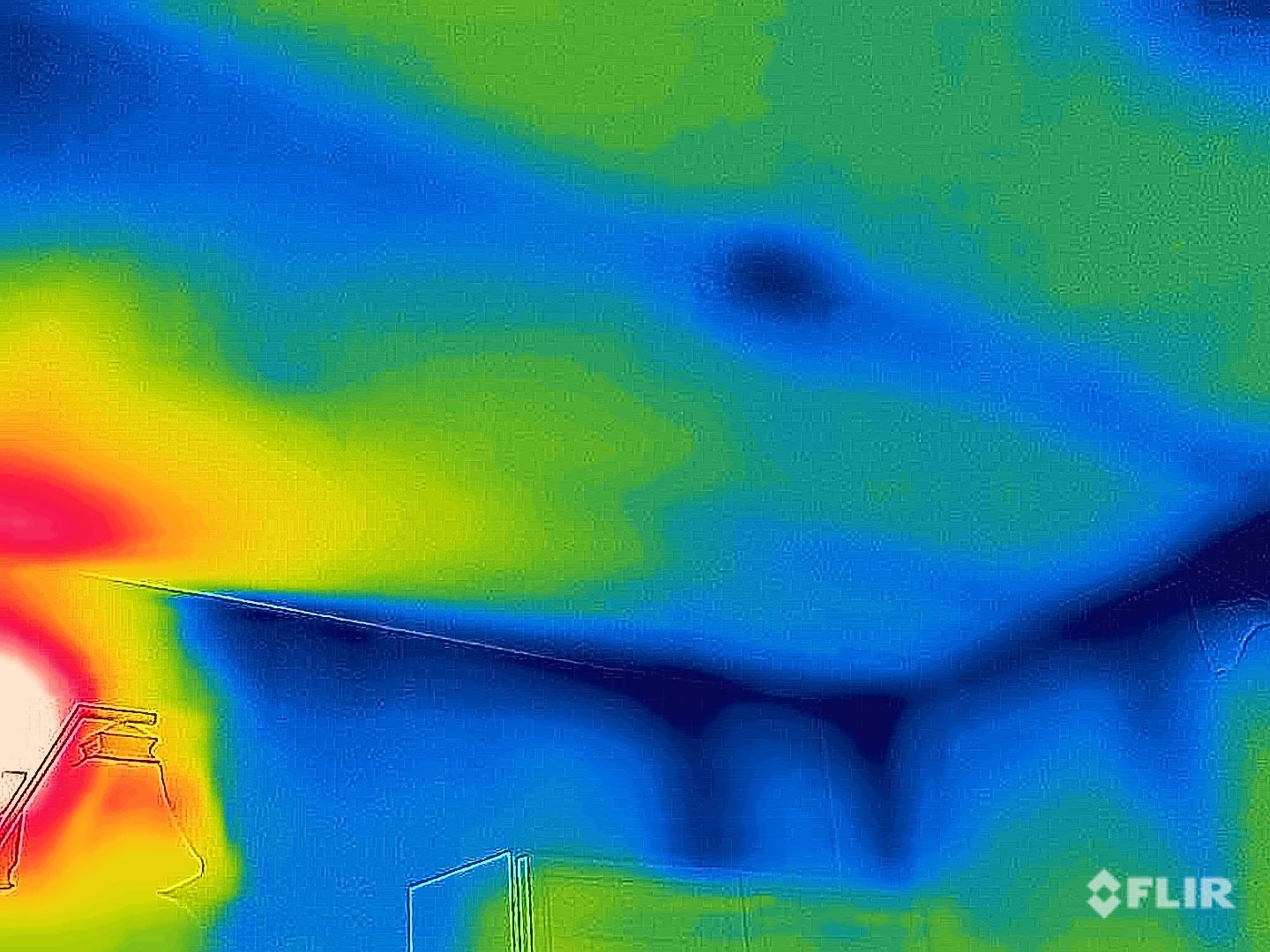
The Water Damage Timeline: Why the First 24 Hours Matter Most
Water doesn't sit still. It wicks into drywall, travels under flooring, soaks into framing, and saturates insulation — often spreading well beyond the room where the leak started. Here's roughly how the damage progresses if it isn't addressed.
Within the first 24 hours
- Water spreads and is absorbed into drywall, baseboards, furniture, and flooring.
- Drywall begins to swell, and laminate or hardwood flooring starts to warp and lift.
- Furniture finishes can bleed and stain carpet; metal surfaces start to tarnish.
24 to 48 hours
- Mold can begin to grow — this is the critical window. Mold needs only moisture and time, and 24–48 hours is often all it takes.
- Drywall, insulation, and trim may become unsalvageable.
- A musty odor sets in, and the affected area expands.
After 72 hours and beyond
- Mold colonies establish and spread, raising both the health risk and the cost of remediation.
- Structural materials weaken; what was a drying job becomes a rebuild.
- Restoration becomes significantly more expensive and disruptive.
The bottom line
The same loss handled in hour 6 versus hour 60 can be the difference between drying a room and rebuilding it. Speed is the most valuable thing you have.
Was the water coming through the roof? Stopping the source matters as much as drying the interior — see emergency roof repair and storm damage repair.
What to Do Immediately When You Find Water Damage
If it's safe to do so, take these steps right away:
- Stop the source. Shut off the water supply or, for a roof or storm leak, contain it with a bucket and tarp.
- Kill the power to affected areas if water is anywhere near outlets, fixtures, or your panel. When in doubt, stay out and call a professional.
- Document everything with photos and video before you move or remove anything — your insurance claim depends on it.
- Move what you can to a dry area, and lift furniture off wet carpet.
- Call a restoration professional. The faster the drying equipment is running, the more of your home you keep.
Professional Water Damage Restoration in Reading, PA
Drying a home properly is not a shop-vac-and-box-fan job. Moisture hides inside walls, under floors, and above ceilings, and if any of it is left behind, mold and rot follow. Professional restoration follows the IICRC S500 standard — the industry benchmark for water damage — which means measuring moisture, removing unsalvageable materials, and running calibrated air movers and dehumidifiers until the structure is verifiably dry, not just dry to the touch.
Our owner holds the IICRC Master designation, the highest certification in the restoration industry, and our team documents the full scope of every loss — including the hidden moisture and secondary damage that DIY drying always misses.
Will Insurance Cover Water Damage?
Most homeowners policies cover sudden and accidental water damage — a burst pipe, a failed appliance, a storm-driven leak. What's typically not covered is gradual damage from long-term neglect, and flooding from outside (which requires separate flood insurance). The key, again, is speed and documentation: acting quickly and documenting thoroughly both protects your home and strengthens your claim.
Because we handle both the restoration and the insurance side in-house, you get one company managing the entire process — from the first emergency call through final supplement. Here's how our insurance claims process works.
Common Sources of Water Damage in Berks County Homes
Most of the water losses we respond to across Reading and Berks County trace back to a handful of usual suspects. Knowing them helps you react fast — and, in many cases, prevent the next one:
- Burst or frozen pipes, especially during Pennsylvania cold snaps in unheated walls, basements, and crawl spaces.
- Failed appliances — water heaters, washing machines, dishwashers, and refrigerator supply lines.
- Roof and storm leaks, including wind-driven rain and roof damage that lets water in from above.
- Ice dams that force snowmelt back up under the shingles and into the ceiling below.
- Sump-pump failures and plumbing backups in finished basements.
Whatever the source, the response is the same: stop the water, document the damage for your claim, and get the structure drying as fast as possible. The sooner that happens, the more of your home — and your money — you keep.
Have Water Damage? Don't Wait.
The first 24 hours decide how much of your home you save. Call now for fast water damage response in Reading & Berks County.