
Spring Storm Season Is Coming: How to Check Your Roof Before It's Too Late
Every spring in Reading and across Berks County, we get the same call: a homeowner notices a water stain on the ceiling, climbs into the attic, and realizes the roof has been quietly failing all winter. By the time the damage is visible inside, the repair is almost always bigger — and more expensive — than it needed to be. A spring roof inspection in Reading, PA is the single best way to catch winter's damage before the heavy storm season arrives.
Pennsylvania winters are hard on roofs. Freeze-thaw cycles, ice dams, wind, and the sheer weight of snow all take a toll between December and March. Then spring shows up with its own punishment: the heavy thunderstorms, hail, and straight-line winds that roll through Berks County from April into summer. A roof that limped through winter with a few loose or cracked shingles is exactly the roof that fails when the first real storm hits.
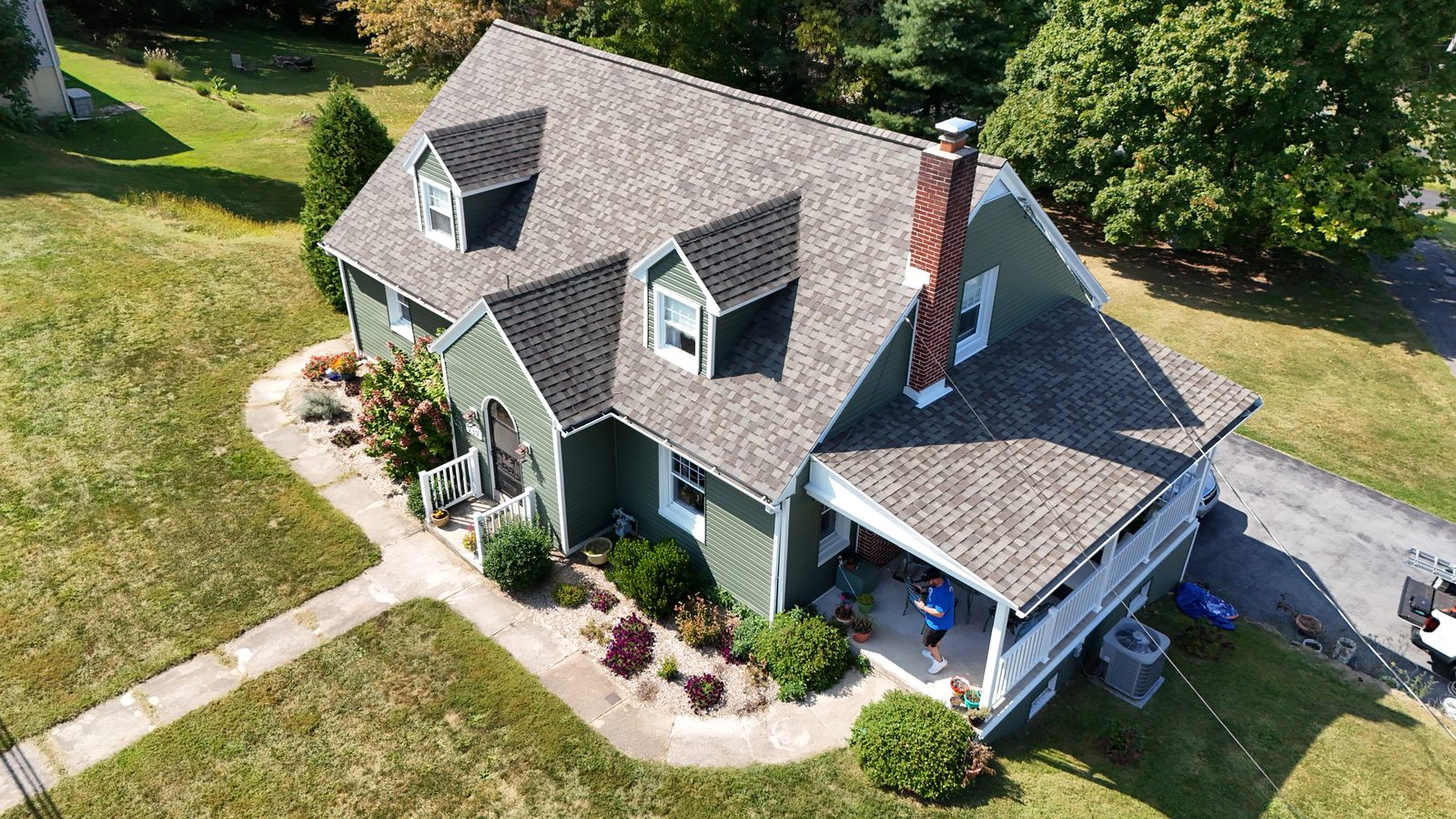
Why Spring Is the Most Important Time for a Roof Inspection
Think of a spring roof inspection as the bridge between two hard seasons. It gives you a clear picture of how your roof survived winter, and a chance to fix small problems before spring and summer storms turn them into major ones. There are three practical reasons spring is the right time:
- Winter damage is fresh and findable. Lifted shingles, failed flashing, and ice-dam damage are easiest to identify before months of weather hide the evidence.
- You beat the storm-season rush. After a big hail or wind event, every reputable contractor in the county is booked solid. Getting ahead of it means you set the schedule, not the storm.
- Small repairs are cheap; interior damage is not. A handful of replaced shingles and re-sealed flashing costs a fraction of what you'll pay once water reaches your decking, insulation, and drywall.
Your DIY Spring Roof Inspection Checklist
You don't need to get on the roof — in fact, please don't. Most of what matters can be checked safely from the ground, from a ladder at the eaves, and from inside your attic. Here's what to look for.
From the ground
- Scan the roof with binoculars for missing, cracked, curling, or buckled shingles.
- Look for dark streaks or patches, which can signal trapped moisture or granule loss.
- Check the ridge line — it should be straight. A sagging ridge can mean a structural or decking problem.
- Look in your gutters and at the ground for piles of shingle granules (they look like coarse black sand). Heavy granule loss means your shingles are wearing out.
In the attic
- Go up on a sunny day and look for any daylight coming through the roof deck.
- Check for water stains, streaks, or dark spots on the underside of the decking and rafters.
- Feel for damp insulation and look for any musty smell — both point to a slow leak.
- Confirm your attic is properly ventilated; poor ventilation is a leading cause of premature roof failure and ice dams.
Around the house
- Inspect gutters and downspouts for sagging, separation, or damage from ice.
- Look at flashing around chimneys, skylights, and vents for lifting, rust, or failed sealant.
- Check ceilings and the tops of interior walls for new stains since fall.
Quick takeaway
If you find granules in the gutter, daylight in the attic, or any new ceiling stain, stop the DIY inspection and book a professional look. Those are the three signs most likely to turn into a claim.
Found a problem on the checklist? Most items are a roof repair, not a replacement. If the roof is at the end of its life, our Reading roof replacement cost guide shows what to expect.
Warning Signs You Need a Professional Roof Inspection
A homeowner checklist catches the obvious problems. A trained eye catches the ones that cost you money. Call a professional for a closer look if you notice any of these:
- Multiple missing or damaged shingles, or shingles scattered in the yard after a storm.
- Any active leak, water stain, or damp insulation in the attic.
- A roof that's 15+ years old and has been through several Berks County winters.
- Recent hail or high winds — even if you don't see obvious damage from the ground.
That last one matters more than most homeowners realize. Hail and wind damage often isn't visible from the driveway, but it still compromises your shingles and can be a covered insurance claim. As a HAAG-certified inspector, our owner Travis Frees documents the kind of storm damage that untrained eyes — and even some adjusters — miss.
When to Call The Helping Co.
Our spring roof inspections are free, and there's never any pressure. We'll give you an honest assessment of your roof's condition with photos and a clear report. If all you need is a minor roof repair, we'll tell you that. If we find storm damage that should be covered by insurance, we'll document it properly and walk you through the claim. And if you do need a new roof, every CertainTeed Landmark installation we do is backed by our Lifetime Workmanship Guarantee for as long as you own your home.
Spring is short, and storm season comes fast. The best time to find out where your roof stands is before the next storm — not after.
Book Your Free Spring Roof Inspection
Get ahead of Berks County storm season. We'll inspect your roof, document any damage, and give you an honest, no-pressure report.